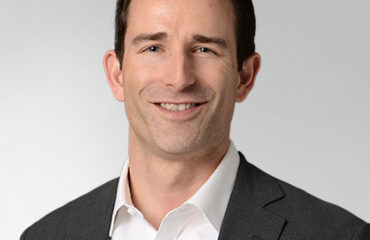

At Luiss University, a discussion between students and top managers of Vertiv, 4cLegal and the GPD law firm on the future of the legal professions in the era of digital transformation. Focus on soft skills and artificial intelligence
Digitalisation, sustainability and today with increasing force also artificial intelligence are redefining the profile of the jurist. This is the key message that emerged during the event "Luiss meets Vertiv, 4cLegal and GPD", which was held on Monday 21 October at the Luiss University of Rome and saw the participation of fourth and fifth year students of Law and the Law, Digital Innovation and Sustainability course.
“The contemporary jurist must be able to integrate traditional legal skills with a deep understanding of new technologies and their ethical implications,” declared Alessandro Renna, Founder and CEO of the 4c Group, of which 4cLegal is part. “The challenge is not only technological, but cultural”.
Giovanna Moschetto, VP & General Counsel EMEA of Vertiv - global provider of solutions for critical digital infrastructures and continuity solutions - underlined how the role of the corporate lawyer is in a phase of profound change: "Today the profile is decidedly more managerial and requires an integrated vision that embraces innovation and sustainability. Artificial intelligence, if used responsibly, can become a precious ally to face daily and strategic challenges".
On the regulatory front, Emanuele Rumi Rios, Senior Associate of GPD - a tax law firm with offices in Rome, Milan and Genoa - highlighted the importance of the European regulatory framework: "The AI Act represents a turning point in the regulation of artificial intelligence. Companies and law firms must be ready for the innovations it will introduce, for an ethical and responsible use of new technologies".
“Digital transformation and sustainability are two sides of the same coin,” concluded Giovanna Moschetto of Vertiv. "The biggest challenge is that of reskilling and upskilling professionals. Transversal skills are needed which often struggle to be included in traditional professional profiles".
The event concluded with a business case on the creation of a corporate code of conduct for the ethical use of artificial intelligence, offering students the opportunity to put into practice the skills acquired during discussions with professionals.