Acquisition strengthens Vertiv's comprehensive portfolio of digital infrastructure solutions with AI-based monitoring, predictive services and performance optimization
Vertiv Holdings Co (NYSE: VRT), a global leader in critical digital infrastructure, announced that it has acquired Waylay NV, a Belgian-based leader in hyperautomation and generative artificial intelligence software platforms, as part of its continued investment in AI-based monitoring and control technologies for its power and cooling systems. Vertiv expects this investment to strengthen its ability to enable customers around the world to increase uptime, optimize energy consumption and improve the operational intelligence of their critical digital infrastructures.
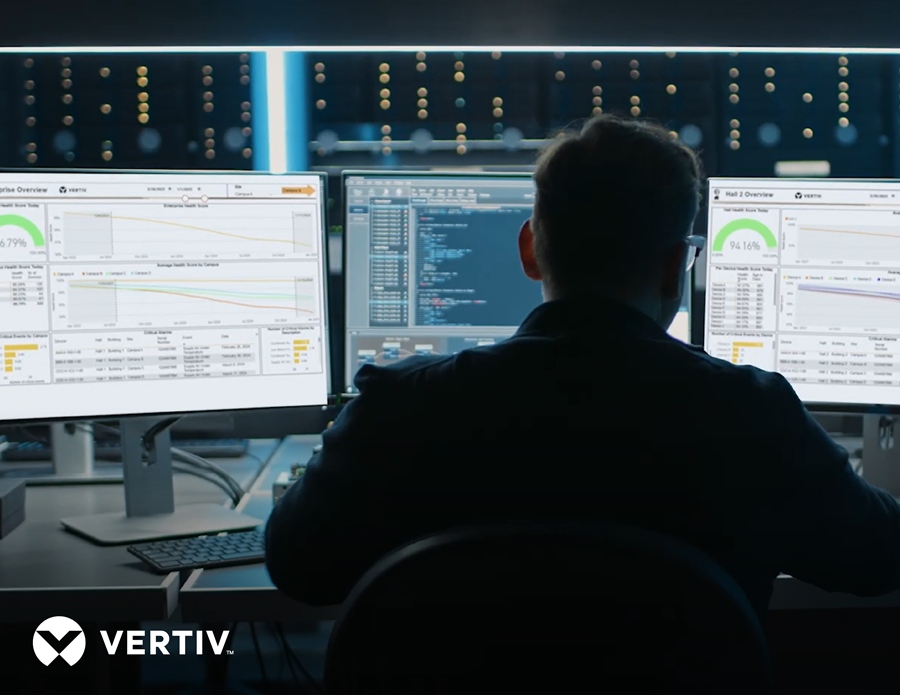
As data center demand continues to increase driven by AI workloads, the need for intelligent and adaptive infrastructure is also growing. AI-powered digital services for power and cooling systems are essential to support high-density, high-performance environments, which fuel generative AI. These services enable real-time monitoring, predictive maintenance and dynamic optimization of energy and thermal performance. By integrating Waylay's advanced technologies, Vertiv is able to offer these advanced capabilities at scale, helping customers meet the evolving needs of critical digital operations.
“With the addition of Waylay's technology and specialized team, Vertiv will accelerate its vision of intelligent infrastructure that is data-driven, proactive and optimized for the world's most demanding environments,” said Giordano Albertazzi, CEO of Vertiv. “We are excited about the operational efficiencies and resiliency that Vertiv's enhanced predictive capabilities can bring to our customers.”
Founded in 2014, Waylay has developed an AI-powered hyperautomation software platform that enables workflow-based automation, systems integration and orchestration across a wide range of connected assets, enterprise applications and cloud services. Its capabilities include data analytics and orchestration scenarios that operate with unprecedented speed, significantly reducing product integration and deployment costs. The software can analyze machine data in real time, identify operational trends and propose predictive actions to minimize downtime and improve system performance.